
Why Progressive Education Is Growing in Bali
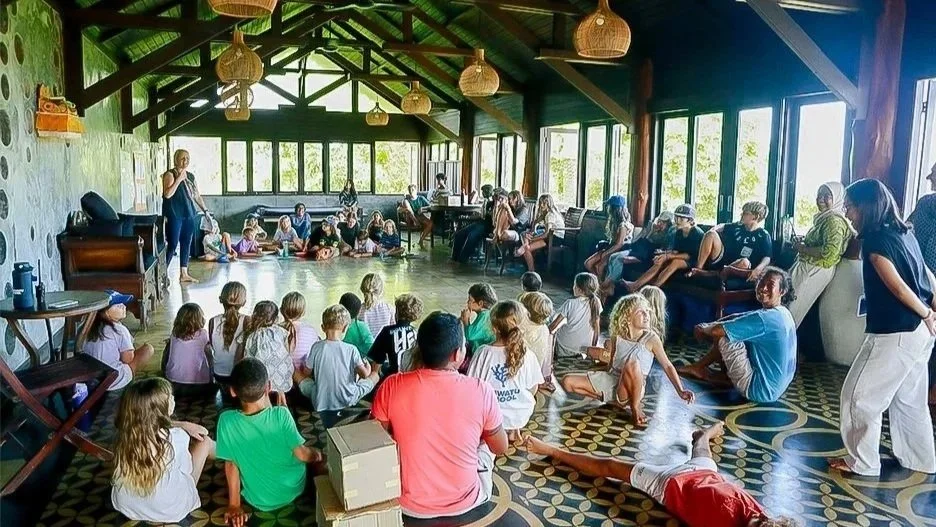
Progressive education is becoming one of the most sought-after approaches to learning in Bali. As more families choose the island for long-term living, many are looking for schools that prioritise curiosity, creativity, emotional wellbeing and real-life learning experiences. This shift has led to an increased interest in progressive education Bali programs that focus on developing the whole child rather than relying solely on traditional academic methods.
Parents want schools that help children become confident thinkers, compassionate community members and independent learners. This is where progressive education shines, especially within Bali’s unique natural and cultural setting.
Understanding Progressive Education
Progressive education is rooted in the belief that children learn best through active participation, exploration and reflection. Instead of memorising information, students engage with ideas through hands-on experiences. A progressive approach often includes the core principles of an inquiry-based school in Bali, where students learn by asking questions, investigating topics, and discovering meaning.
This type of learning environment is highly student-centred, making Uluwatu School and similar institutions actual examples of a student-centred learning model in Bali. Children are encouraged to express their thoughts, collaborate with others and take ownership of their learning process.
Many progressive schools also function as experiential learning schools in Bali, where the outdoors, community spaces and real-world environments become part of daily learning. In addition, project-based exploration is central, making the school experience similar to a project-based learning school in Bali, where students work on interdisciplinary projects that connect directly to their interests and the world around them.
Why Progressive Education Is Growing in Bali
Several factors contribute to the rapid growth of progressive education across the island. These reasons are closely tied to Bali’s culture, lifestyle and community values.
1. A Diverse and International Community
Bali is home to families from all over the world. This multicultural environment makes it ideal for progressive education in Bali, which values diversity, global citizenship and open-mindedness. Students grow up understanding different perspectives and cultures, which prepares them to thrive in international environments.
2. A Strong Desire for Holistic Education
Many parents in Bali seek schools that support their child's emotional, social and personal growth. This has led to increased interest in student-centred learning Bali models that prioritise wellbeing alongside academics. Families recognise that confidence, communication and emotional intelligence are just as important as traditional academic skills.
3. The Natural Environment Encourages Experiential Learning
The island is rich with natural resources that support hands-on education. Beaches, forests, farms and cultural sites create opportunities for children to explore and learn outdoors. This makes the island a perfect location for an experiential learning school in Bali, where nature becomes an extension of the classroom.
4. Growing Need for Creativity and Future Skills
Parents want their children to develop critical skills such as creativity, adaptability, collaboration, and problem-solving. These skills are strongly nurtured through project-based learning schools in Bali environments. Students learn through meaningful projects that encourage inquiry, teamwork and original thinking.
5. A Move Away From High-Pressure Education Systems
Many families choose Bali because they want a balanced and healthy lifestyle for their children. They prefer schools where learning feels engaging rather than stressful. This aligns closely with the philosophy of an inquiry-based school in Bali, which supports curiosity, exploration and reflection rather than pressure-driven achievement.
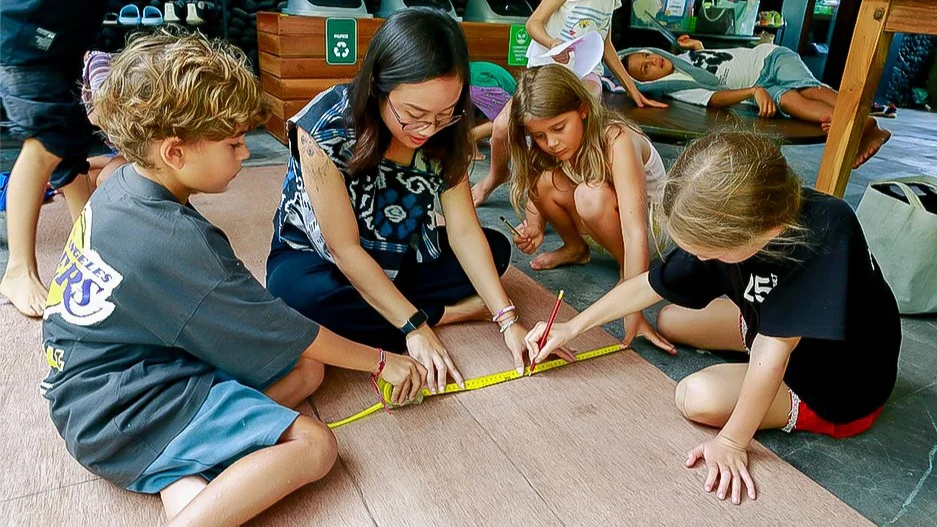
What Progressive Education Looks Like in Bali
Progressive education in Bali is adaptable, creative and integrative. Although each school may have its own interpretation, the core elements are consistent.
Inquiry-Based Learning
An inquiry-based school in Bali encourages students to explore questions, examine ideas and make discoveries. Learning begins with curiosity rather than instructions.
Project-Based Learning
A project-based learning school in Bali uses long-term projects to help students apply concepts across subjects and create meaningful work that reflects real-world situations.
Experiential Learning
As an experiential learning school Bali model, progressive schools make use of Bali’s natural environment. Students may participate in beach studies, nature walks, cultural workshops, farming activities and community projects.
Student-Centered Learning
A student-centred learning Bali approach puts the child at the core of the experience. Teachers guide, support and inspire rather than direct every step. Students build independence, self-awareness and confidence.
Why Families Are Choosing Progressive Schools
Parents in Bali often choose progressive schools because they see positive changes in their children. These may include:
Increased curiosity and motivation
Improved communication and collaboration
Stronger emotional resilience
More creativity and original thinking
Better problem-solving skills
A balanced relationship with learning
These qualities help children succeed academically while preparing them to navigate the world with confidence and empathy.
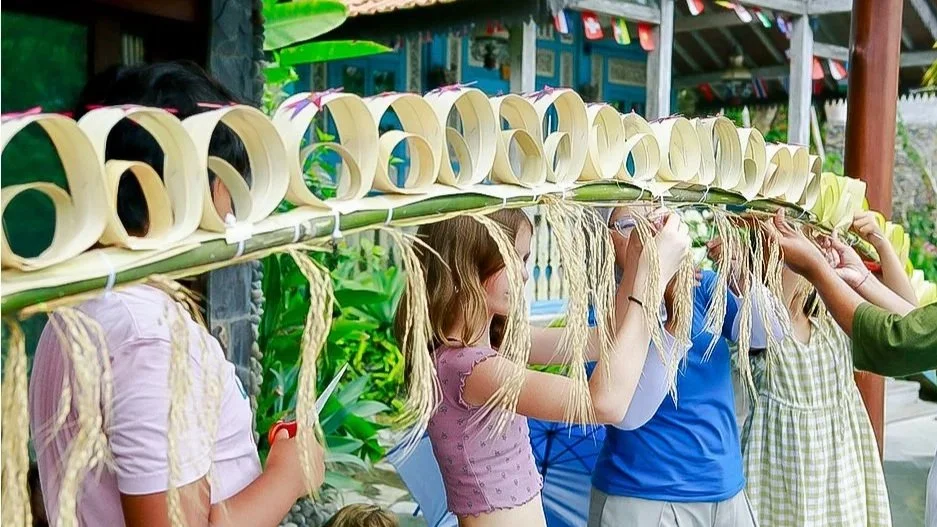
How Uluwatu School Embodies Progressive Education
Uluwatu School represents many of the best qualities found in progressive education in Bali. The curriculum is designed around inquiry, exploration and meaningful experiences. Students learn through hands-on activities, outdoor engagement and collaborative projects. This makes Uluwatu School a strong example of an inquiry-based, experiential learning, and project-based learning school in Bali, all combined in one cohesive program.
The school’s approach is deeply student-centred, supporting both academic growth and personal development. With a strong focus on community, environment and future skills, Uluwatu School offers a learning environment that many families are seeking on the island.
Final Thoughts
Progressive education is growing in Bali because it reflects the values of families who want a more intentional, creative and human-centred approach to learning. The combination of a multicultural community, natural learning environment, holistic education and innovative teaching makes Bali an ideal place for this model. Schools that embrace inquiry, collaboration and real-world learning continue to stand out as preferred choices for families seeking meaningful education.
FAQ
1. What is progressive education?
Progressive education is a child-centred approach focused on inquiry, hands-on experiences and real-world learning. It emphasises exploration, critical thinking and emotional development.
2. Why is progressive education popular in Bali?
It fits naturally with Bali’s environment, culture and community values. Families want creative, holistic and engaging learning experiences that go beyond traditional academics.
3. What is an inquiry-based school in Bali?
An inquiry-based school in Bali encourages students to ask questions, investigate ideas and explore topics through curiosity and discovery.
4. What is a student-centred learning approach?
A student-centred learning Bali model gives children more agency and voice. Teachers guide rather than dictate, helping students take ownership of their learning.
5. What is experiential learning in Bali?
An experiential learning school in Bali uses real experiences, nature and community interactions as part of the curriculum.
6. What is project-based learning in Bali?
A project-based learning school in Bali structures learning around long-term projects that integrate different subjects and real-world issues.
7. Is progressive education academically strong?
Yes. Progressive education helps children build deep understanding, critical thinking, collaboration and confidence, which support strong academic performance.
