
Innovative and Alternative Schools in Bali: What Parents Should Know
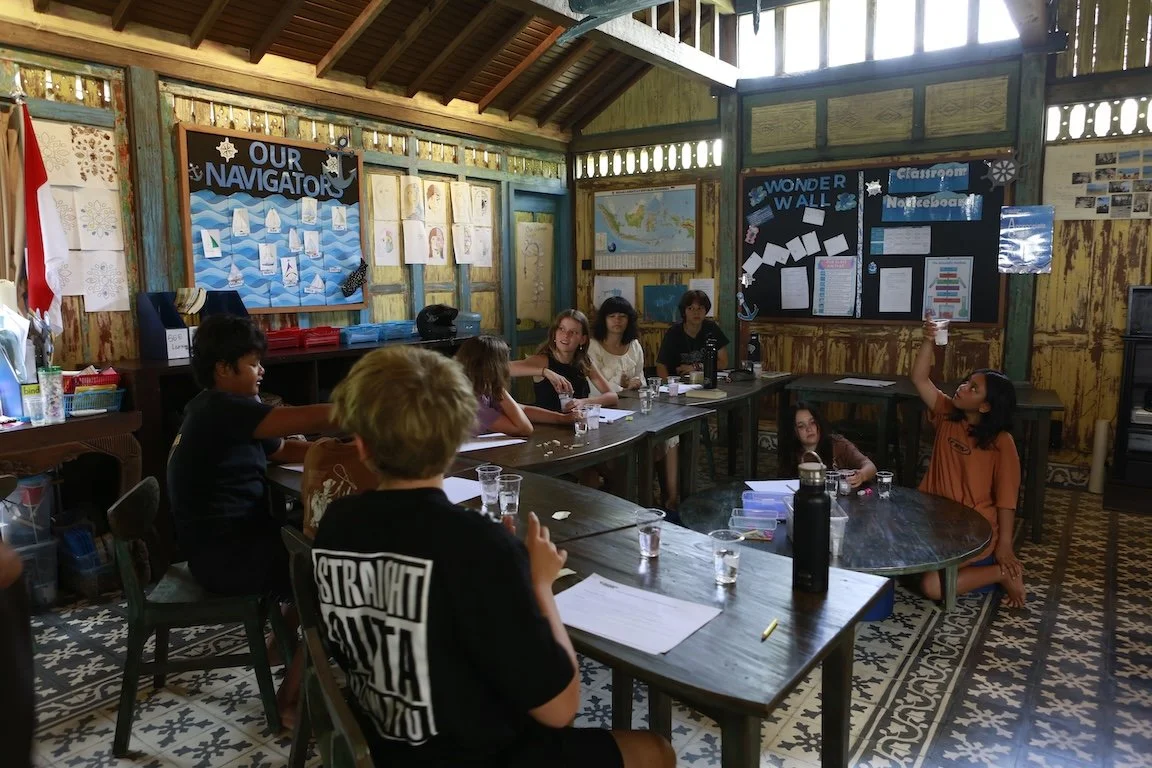
Bali has become a dynamic hub for families seeking new ways of educating their children. The island’s diverse international community, creative culture and emphasis on wellbeing have led to a rise in innovative schools in Bali that offer flexible, meaningful and modern learning experiences. More parents are searching for environments where children can learn at their own pace, develop essential life skills and grow through curiosity rather than pressure.
As traditional schooling models become less aligned with how children learn in today’s world, families are exploring options in alternative education Bali programs that focus on independence, creativity, real-world learning and emotional development.
This article explores what makes innovative and alternative schools unique, why they are growing in Bali and how families can evaluate whether this approach is right for their child.
Understanding Innovative and Alternative Schools
Innovative and alternative schools challenge the conventional approach to education. They focus on the whole child, using creative methods that support individual strengths, interests and learning styles. These schools often operate as an independent learning school in Bali, where students build autonomy, take initiative and explore subjects that genuinely interest them.
Key characteristics include:
Flexible learning pathways
Emphasis on curiosity and exploration
Holistic and wellbeing-centred experiences
Real-world application over memorisation
Collaborative and creative activities
Integration of nature, culture and community
Personalised support from teachers
Many of these schools also identify strongly with holistic education in Bali, ensuring that academic growth is balanced with emotional, social and physical wellbeing.
Why Innovative and Alternative Schools Are Growing in Bali
The demand for progressive, human-centred education has risen for several reasons that are specific to Bali’s lifestyle and international community.
1. A Need for More Personalised Learning
Parents are increasingly aware that children learn at different speeds and in different ways. An independent learning school in Bali supports this by allowing students to make choices, take ownership and build confidence. Many families feel that traditional schooling does not provide enough space for individual growth.
2. A Strong Desire for Holistic Development
Bali’s culture values balance, mindfulness and community. This aligns naturally with holistic education in Bali, where wellbeing, emotional literacy and character development are essential. Families want children to learn how to navigate life with empathy, resilience and a strong sense of self.
3. A Rich Environment for Creative and Experiential Learning
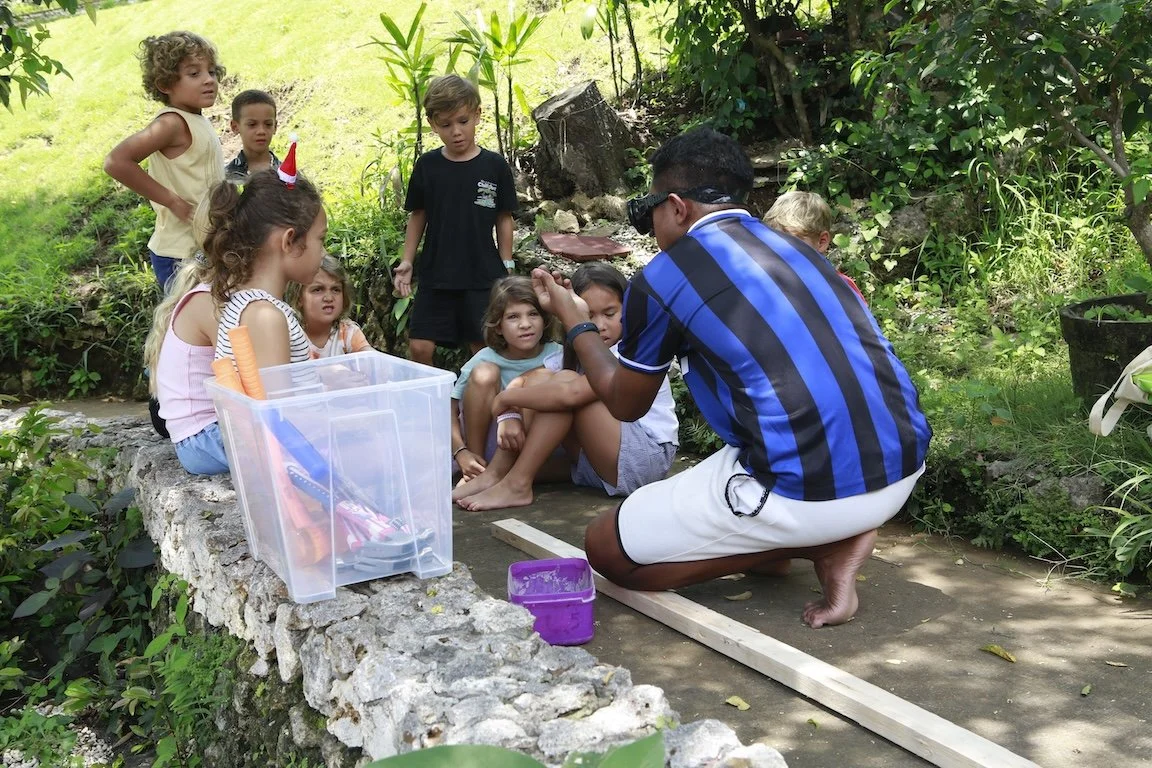
Bali’s natural environment and cultural richness provide perfect conditions for hands-on learning. Innovative schools often integrate fieldwork, environmental projects, arts, cultural immersion and outdoor exploration. This offers children real experiences that bring learning to life.
4. The Global Demand for 21st Century Skills
Modern education is shifting away from memorisation toward developing critical skills. A 21st-century skills school in Bali equips students with abilities such as creativity, collaboration, communication, digital literacy, and problem-solving. These are essential for navigating a rapidly changing world.
5. Families Seeking Alternatives to High-Pressure Systems
Many families move to Bali in search of a healthier, more balanced lifestyle. Schools that adopt alternative education Bali approaches create learning environments that are engaging, supportive and stress-free. Parents appreciate the shift from performance-driven academics to meaningful, student-centred learning.
What Learning Looks Like in Innovative and Alternative Schools
Although each school in Bali has its own philosophy, several shared elements define these modern learning environments.
Independent Learning
Students take an active role in their learning. In an independent learning school in Bali, teachers act as guides and facilitators who help students set goals, reflect on progress and build self-management skills.
Holistic Education
A holistic education Bali model focuses on the emotional, social and physical wellbeing of students alongside academics. Activities may include mindfulness, outdoor exploration, teamwork exercises, creative arts and reflective practices.
Real-World Learning
Students engage in hands-on projects and experiences. Learning might involve community projects, environmental studies, cultural workshops or problem-solving challenges.
Creativity and Collaboration
Students work together on interdisciplinary projects that strengthen communication and teamwork. These experiences support the values of a 21st-century skills school in Bali.
Flexible Curriculum
Innovative schools often use project-based, inquiry-driven frameworks rather than rigid lesson schedules. This approach encourages curiosity and deep engagement with content.
Why Families Choose Innovative and Alternative Education
Parents often report positive transformations in their children when learning in these environments. Some of the benefits include:
More confidence and independence
Stronger creativity and imagination
Improved communication and collaboration
Enhanced emotional intelligence
More meaningful connection to the community and environment
Better adaptability to new challenges
Families appreciate how innovative schools in Bali blend academic learning with life skills and provide a nurturing environment where children feel supported and inspired.
How Uluwatu School Fits Within This Landscape
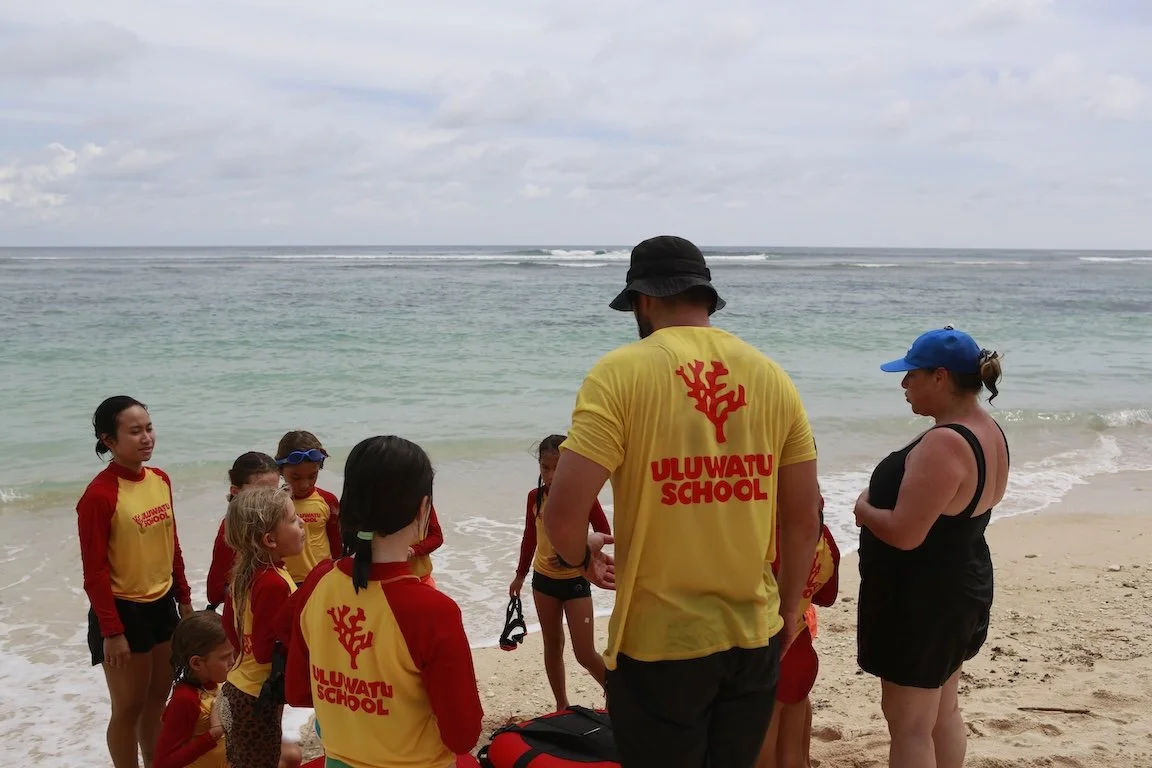
Uluwatu School reflects many of the qualities that families seek in innovative schools in Bali. While maintaining strong academic standards, the school incorporates elements of alternative education in Bali, including inquiry-driven learning, outdoor experiences and community involvement. Students are encouraged to think independently, collaborate with peers and engage in projects that connect to the natural and cultural environment.
The school’s approach also aligns with the values of a holistic education philosophy in Bali, ensuring that emotional wellbeing and personal growth are integrated into the learning journey. With a focus on critical thinking, creativity and collaboration, Uluwatu School naturally supports the foundations of a 21st-century skills school in Bali.
Final Thoughts
Innovative and alternative schools are becoming an important part of Bali’s education landscape. Families are increasingly drawn to learning environments that are personal, flexible and meaningful. As the demand for holistic, independent and future-focused education continues to grow, schools that embrace these values will stand out as top choices for parents.
For families looking for a balanced blend of academic learning, wellbeing and creativity, the modern educational approaches seen in Bali offer strong alternatives to traditional models.
FAQ
1. What are innovative schools in Bali?
Innovative schools in Bali use creative, modern and student-centred teaching methods that focus on real-world learning, independence and future skills.
2. What does alternative education mean in Bali?
Alternative education in Bali refers to learning environments that move away from traditional schooling and provide flexible, holistic and child-centred experiences.
3. What is an independent learning school in Bali?
An independent learning school in Bali encourages students to guide their own learning, set goals, manage progress and explore subjects that interest them.
4. What is holistic education in Bali?
Holistic education in Bali focuses on emotional, social, physical and academic development, ensuring a balanced learning experience.
5. What are 21st-century skills schools in Bali?
A 21st-century skills school in Bali prepares students for the modern world by teaching communication, critical thinking, collaboration, digital literacy and creativity.
6. Why do families choose innovative and alternative schools?
Families choose these schools because they offer independence, meaningful learning, strong wellbeing support and real-life skills that prepare children for the future.
