
A Complete Guide to Schools for Expat Families in Bali
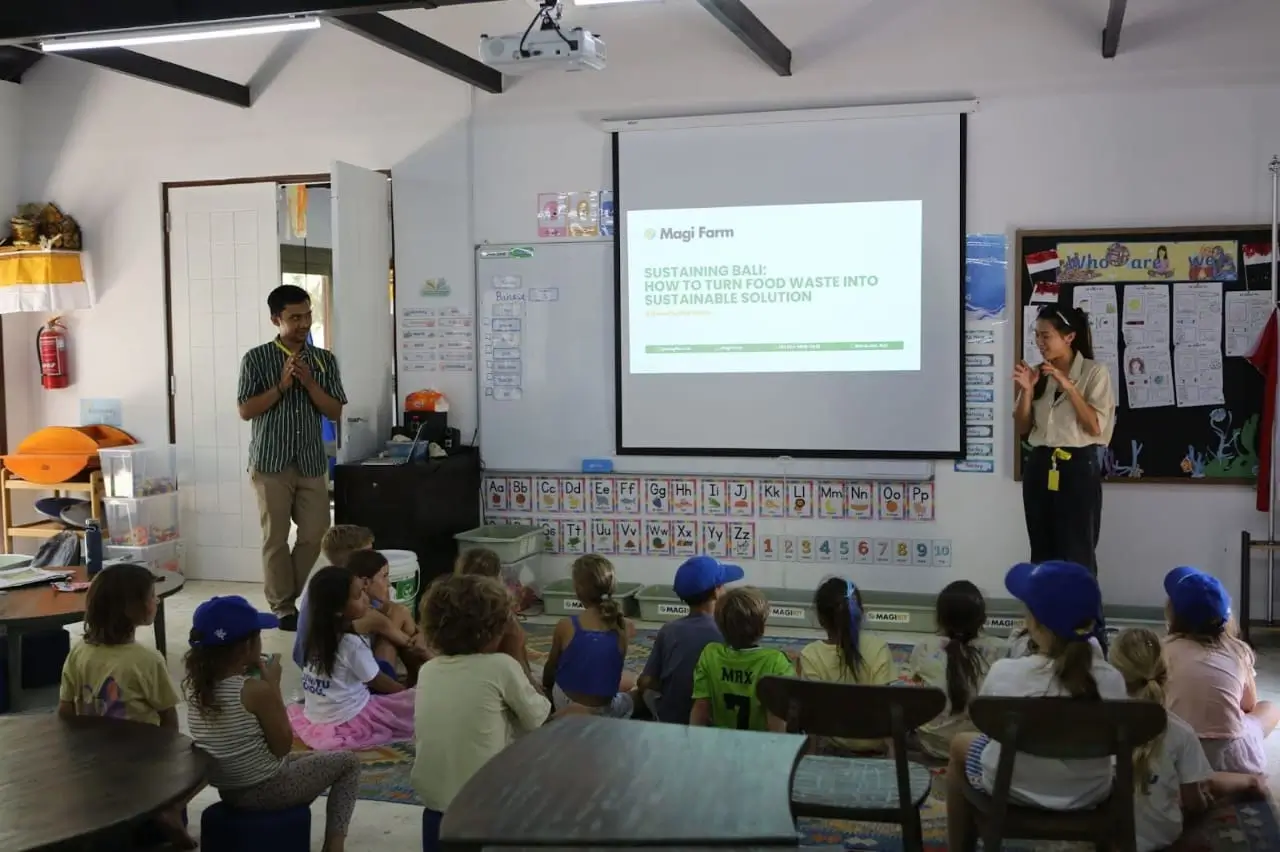
Relocating to Bali has become increasingly popular among families looking for a more balanced lifestyle, access to diverse cultures, and a supportive international community. One of the biggest decisions for any family planning a move is selecting the right school. With so many options available, it can be challenging to understand which schools are best suited for expat children. This article will guide you through the key factors to consider when evaluating schools for expat families in Bali, along with insights into what makes certain learning environments more appealing to international households.
Understanding What Expat Families Need From a School
Expat families often have unique priorities when choosing a school. Many parents look for places that provide stability, a strong sense of belonging, and an environment where children can thrive academically, socially, and emotionally. Bali’s education landscape offers a variety of choices, from established international schools to emerging progressive models.
Global Curriculum Options
One of the first things expat families consider is the curriculum. This affects academic continuity, university pathways, and overall learning experience. Some of the most common international curricula available in Bali include:
- British Curriculum
- Cambridge Curriculum
- Australian Curriculum
- IB Primary Years Programme (PYP)
- Integrated international programs
- Inquiry-based and project-based frameworks
Choosing a curriculum that aligns with your child’s background can help ease the transition into a new learning environment. For families planning future relocations, a widely recognised curriculum is especially important.
The Importance of Cultural Adaptability
Children moving to Bali will likely encounter a mix of cultures, languages, and traditions. Schools that support cultural adaptability help students feel included and confident. A school with strong cultural programs, language support, and diverse student communities facilitates smoother integration.
When reviewing options, look for schools that actively celebrate multiculturalism, offer Bahasa Indonesia classes, and encourage students to learn from the island’s rich cultural heritage.
Learning Approaches That Benefit Expat Students
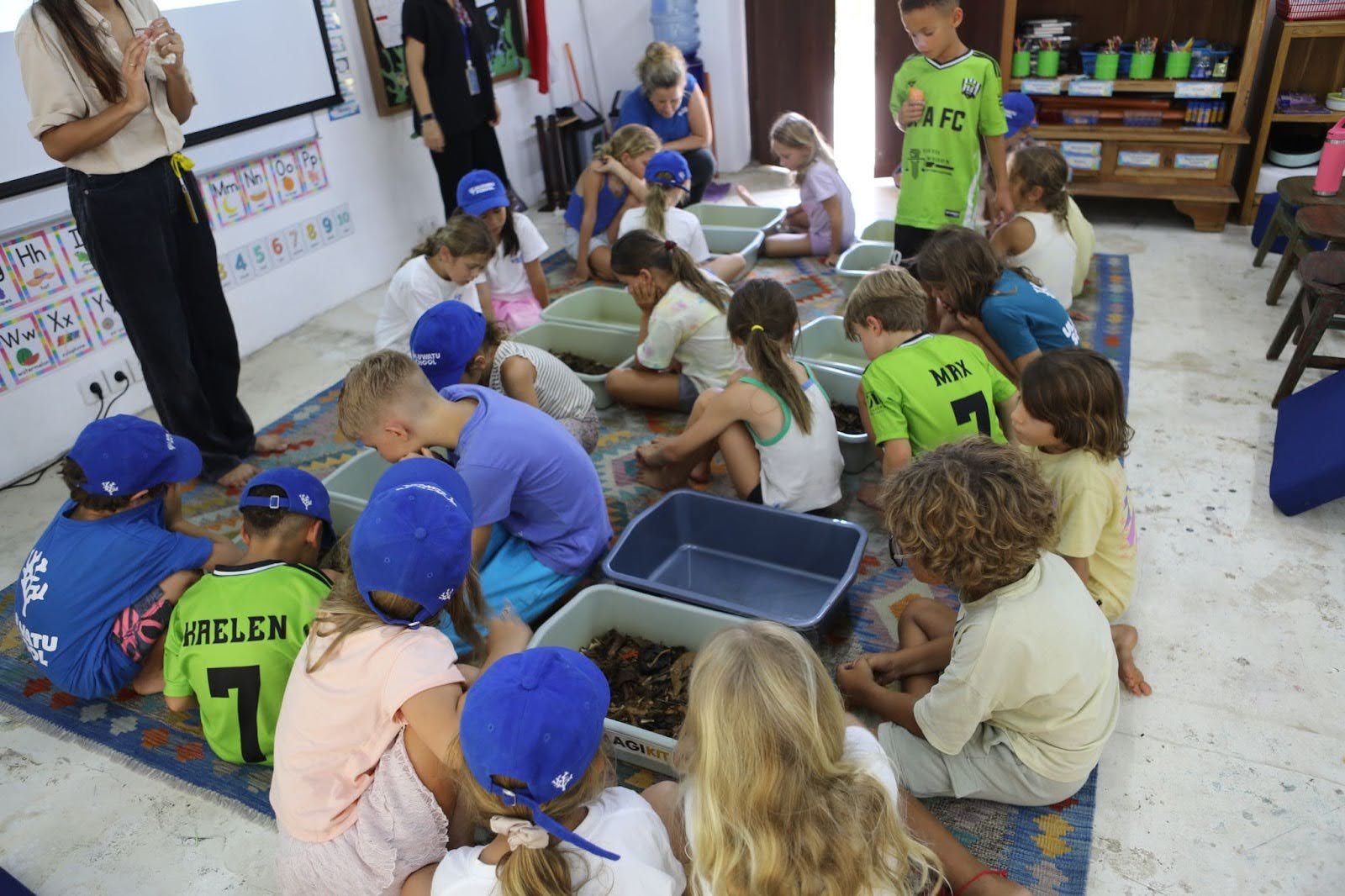
Due to the changes that come with relocation, many expat families prefer schools that emphasise wellbeing, flexibility, and student-centred learning. These approaches help reduce stress and support children during transitions.
Some of the most valuable learning approaches for expat families include:
Inquiry-Based Learning
Encourages curiosity, independence, and critical thinking. This approach is especially effective for students adjusting to new environments.
Project-Based Learning
Allows students to connect classroom learning with real-life situations, making education more meaningful.
Social Emotional and Ethical Learning (SEEL)
Helps students develop resilience, empathy, and emotional intelligence. This is particularly beneficial for expat children navigating change.
Place-Based Learning
Uses the local environment as an active part of learning. In Bali, this can include nature exploration, cultural interactions, and community engagement.
Schools that blend international standards with local context often appeal to families who want their children to benefit from Bali’s unique educational opportunities.
Community and Parent Involvement
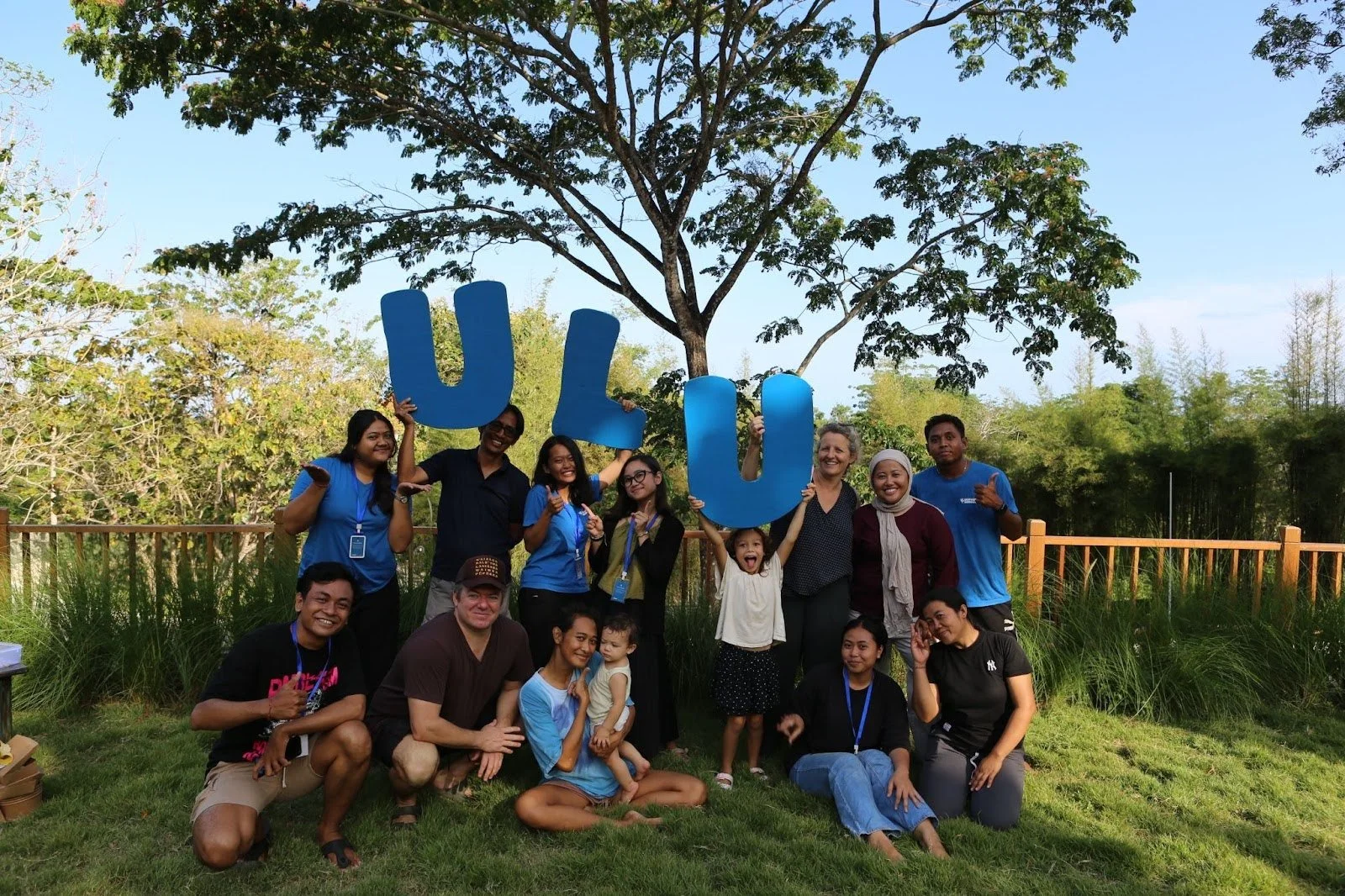
A strong community is essential for expat families. Parents often look for schools where they can build connections, participate in activities, and be part of a supportive network. The best schools for expat families in Bali foster open communication, family involvement, and collaboration.
This sense of community helps children feel grounded and supported. It also helps families adjust more quickly to life on the island.
Facilities and Learning Environment
The school environment plays a significant role in how students adapt. Bali offers a range of school settings, from traditional campuses to open-air learning spaces close to nature. When visiting schools, consider the following:
- Classroom spaces and layout
- Outdoor learning facilities
- Safety standards
- Sports and arts facilities
- Access to nature
- Cleanliness and overall atmosphere
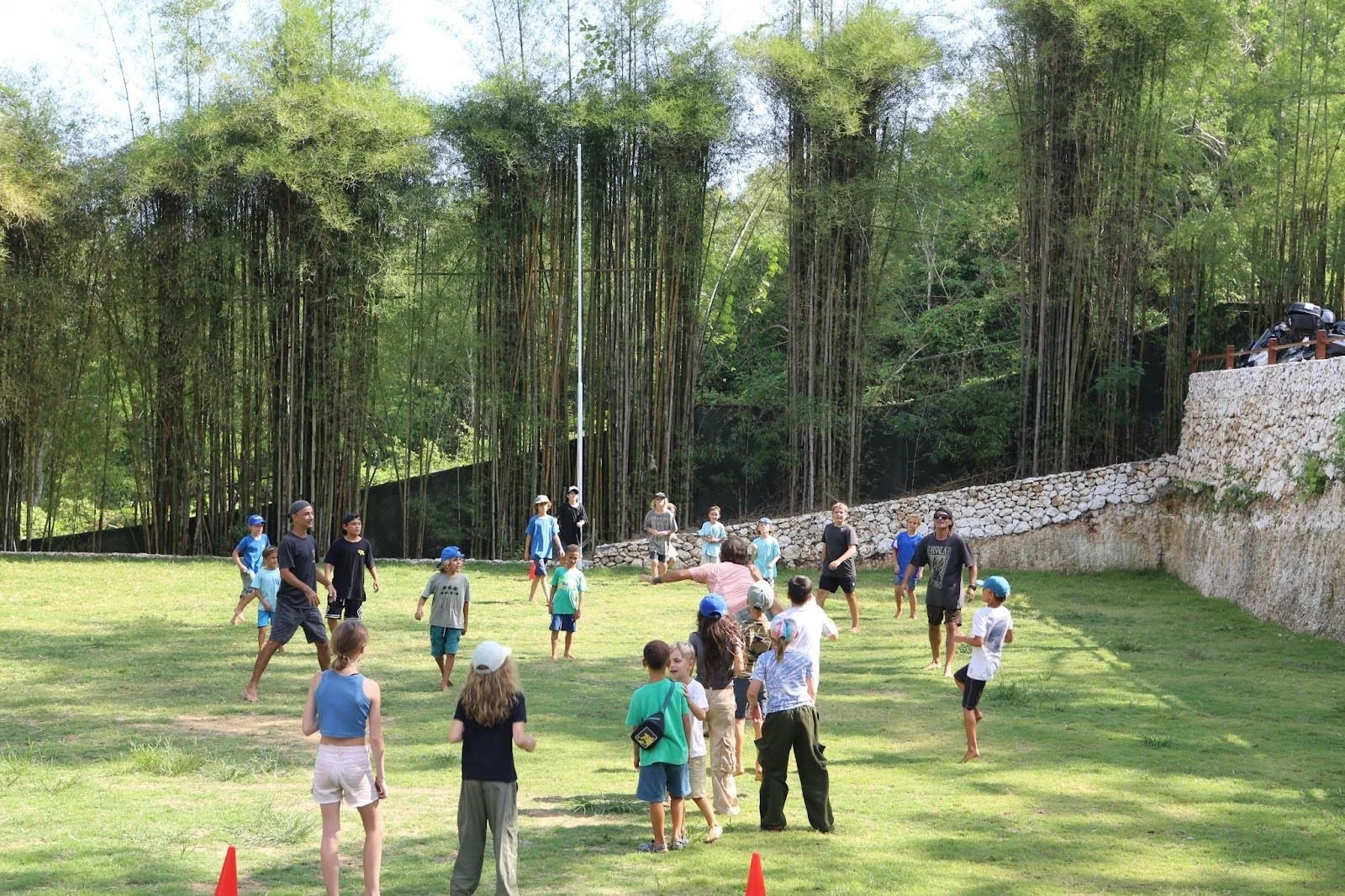
Many expat families appreciate Bali’s natural surroundings. Schools that use the outdoors as part of daily learning often become top choices.
Tuition Fees and Long-Term Planning
Tuition fees can vary widely across international schools in Bali. While some schools offer premium facilities, others focus on holistic learning experiences. When evaluating fees, compare what is included, such as meals, extracurricular programs, learning materials, or transportation.
It is also useful to consider long-term planning. If you expect to stay in Bali for several years, check whether the school offers progression into upper school or secondary levels.
How to Choose the Right School for Your Family
To make the decision easier, here are some practical steps:
Schedule School Tours
A visit helps you understand how students interact, how teachers engage, and whether the environment feels right for your child.
Ask About Transition Support
Some schools offer orientation sessions, buddy programs, or wellbeing support designed specifically for new international students.
Understand the School’s Values
Look for schools that emphasise empathy, responsibility, community, and global citizenship. These values shape how students grow and connect.
Talk to Other Expat Parents
Hearing firsthand accounts from families already living in Bali can offer helpful insights.
Consider Your Child’s Personality
Some children thrive in structured settings, while others excel in environments that promote independence and creativity. Matching your child’s learning style to the school’s approach is key.
Why Many Expat Families Choose Progressive Schools in Bali
A significant number of expat families are drawn to progressive schools that prioritise personal growth, curiosity, and real-world learning over traditional academic pressure. These schools offer:
- A balanced approach to academics and wellbeing
- Hands-on learning connected to nature and community
- Emphasis on creativity, critical thinking, and collaboration
- Strong focus on empathy and emotional development
- Flexible learning that adapts to individual needs
Such environments often help children settle more comfortably into a new country and develop confidence both inside and outside the classroom.
How Uluwatu School Supports Expat Families
While Bali offers many strong educational options, Uluwatu School appeals to expat families seeking a learning environment that honours individuality and curiosity. The school’s approach blends global learning standards with progressive methodologies, creating a setting where children learn through inquiry, exploration, and meaningful connection.
The program includes inquiry-led learning, experiential activities, ocean literacy, and SEEL frameworks that support both academic and emotional growth. For expat families who value nature, community, and a balanced lifestyle, Uluwatu School offers a nurturing environment that reflects the values many families seek when relocating to Bali.
Final Thoughts
Finding the right school is one of the most important steps when moving to Bali. The best schools for expat families in Bali are those that combine strong academics, cultural inclusion, supportive communities, and a learning philosophy that recognises the unique needs of international students. As families explore the many options available, progressive, nature-connected, and community-driven schools like Uluwatu School continue to stand out as meaningful choices.