
Finding the Perfect Fit Among the Best International Schools in Bali
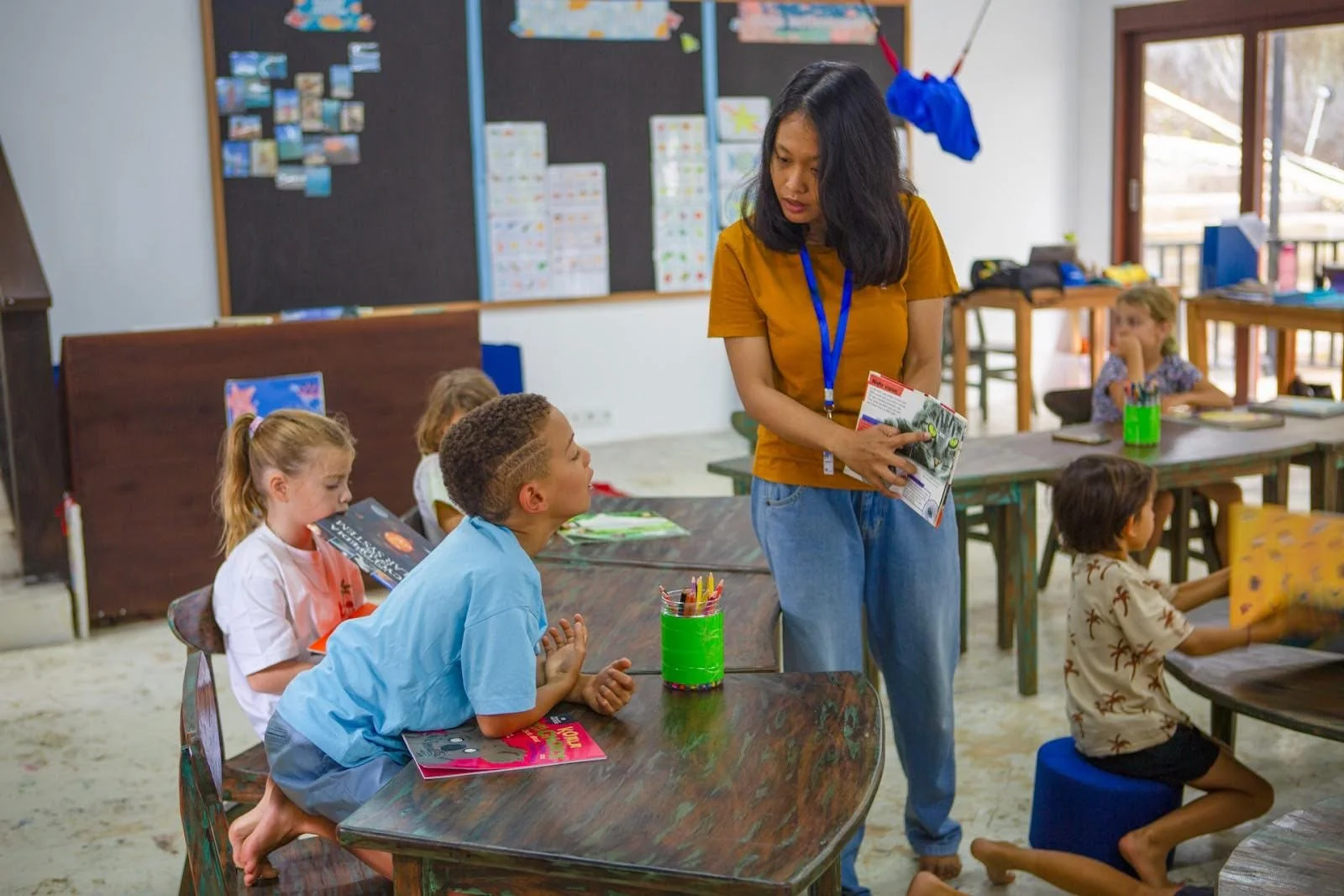
Teacher engaging with students during a classroom activity at Uluwatu School in Bali
Bali has become one of Asia’s most attractive destinations for families seeking quality education in a warm, multicultural environment. With more international families relocating to areas like Uluwatu, Canggu, Sanur, and Ubud, the search for the best international schools in Bali has never been more important. But with so many options available, each offering different philosophies, curricula, and facilities. How do parents choose the right school?
This guide breaks down everything you need to know when comparing the best international schools in Bali, along with key factors that truly influence your child’s learning experience. We will also highlight why many families are increasingly drawn to inquiry-led, progressive environments such as Uluwatu School.
What Defines the “Best” International Schools in Bali?
Choosing the right school is not just about academic results. Parents today want a balanced environment where children grow intellectually, socially, emotionally, and ethically. The best international schools in Bali combine strong academic foundations with a human-centred approach to learning.
Here are some core elements that parents typically evaluate:
1. Globally Recognised Curriculum
Most top international schools in Bali adopt internationally respected frameworks such as the British Curriculum, the Cambridge Curriculum, the IB (International Baccalaureate), or inquiry-based, integrated programs.
When exploring schools, check whether the curriculum promotes:
Critical thinking
Creativity
Communication
Global awareness
Real-world problem-solving
Families who value flexibility and inquiry-led learning often prefer schools that blend international standards with local relevance, allowing students to learn from the culture, nature, and community around them.
2. Teaching Philosophy and Learning Approach
Education in Bali is evolving beyond traditional textbooks and lectures. Many parents now choose schools that emphasise:
Inquiry-based learning
Project-based activities
Outdoor and nature-based education
Social-emotional and ethical development (SEEL)
Future skills such as collaboration, leadership, and digital literacy
These learning approaches help children develop confidence, curiosity, and independence, traits essential in a rapidly changing world.
A growing number of families are specifically seeking schools that integrate environmental literacy, ocean awareness, and sustainability into everyday learning. This holistic approach is particularly suited to Bali’s unique natural landscape.
3. Qualified and Compassionate Educators
Teachers are the heart of any school. The best international schools in Bali attract experienced educators who:
Bring international experience
Understand diverse student backgrounds
Use modern teaching strategies
Support the emotional and social needs of learners
The ideal school places equal importance on academic support, wellbeing, and character development.
4. Campus Design, Natural Environment & Facilities
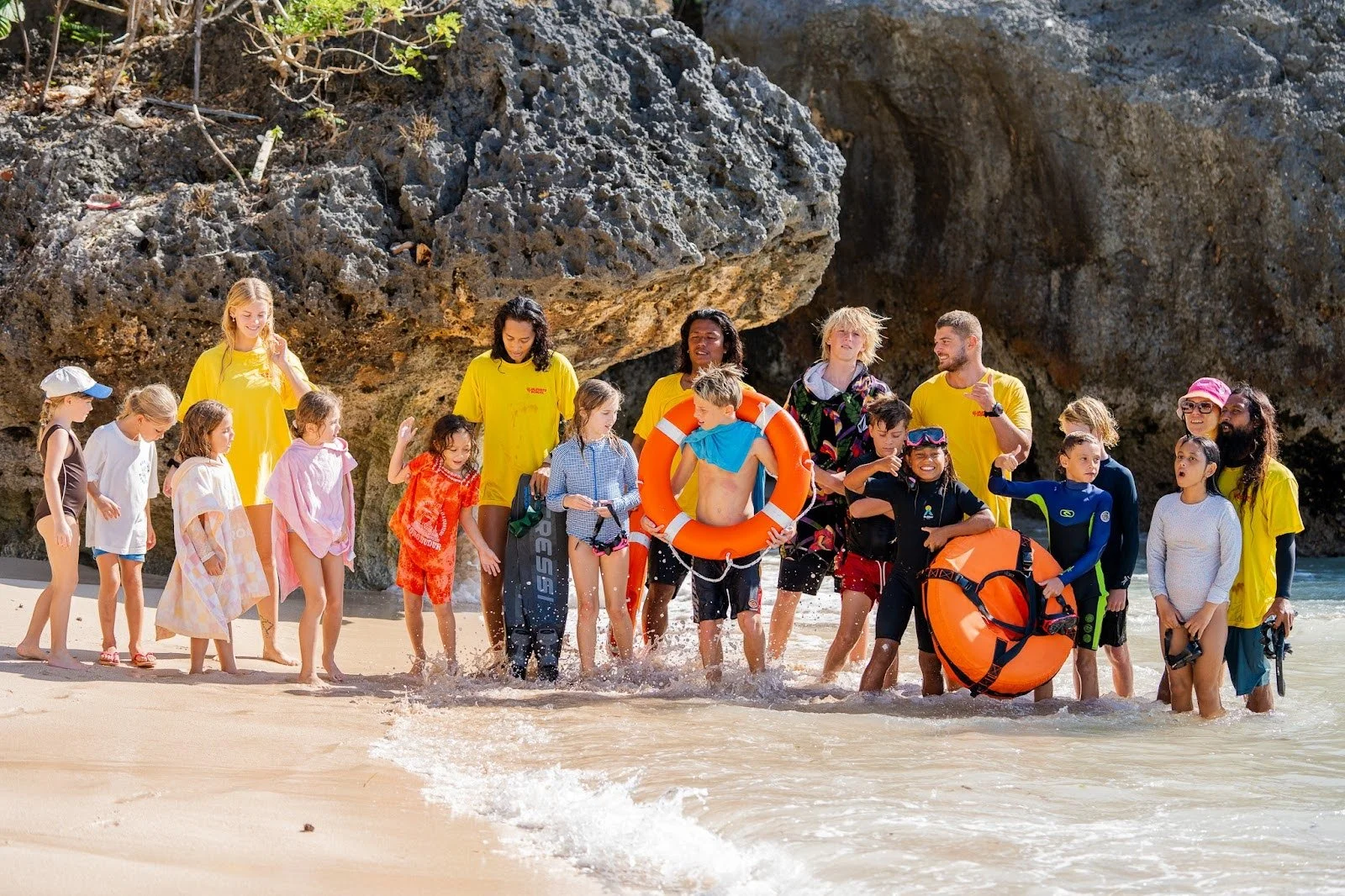
Bali’s inspiring natural environment is a tremendous advantage for international education. Many schools integrate outdoor spaces into their teaching model, including gardens, open-air classrooms, and nature trails.
When evaluating campuses, consider:
Classroom design and learning spaces
Sports, arts, and creative facilities
Access to nature or outdoor learning areas
Safety, security, and overall atmosphere
A school’s environment profoundly shapes a child’s daily experiences, wellbeing, and motivation to learn.
5. Community Values and Student Wellbeing
Families choosing Bali often prioritise wellbeing, balance, and meaningful community connection. The best international schools in Bali reflect these values through:
Strong family-school partnerships
A focus on kindness, empathy, and respect
Social-emotional learning programs
Safe, inclusive environments for all children
Schools that value community help children feel supported, confident, and connected, both academically and personally.
How to Compare the Best International Schools in Bali
With so many factors to consider, it helps to narrow your focus to what matters most to your family.
Below are practical ways to compare schools effectively:
Schedule School Tours
Seeing a school in person helps you understand the campus atmosphere, teacher engagement, and student behaviour.
Observe Classroom Interactions
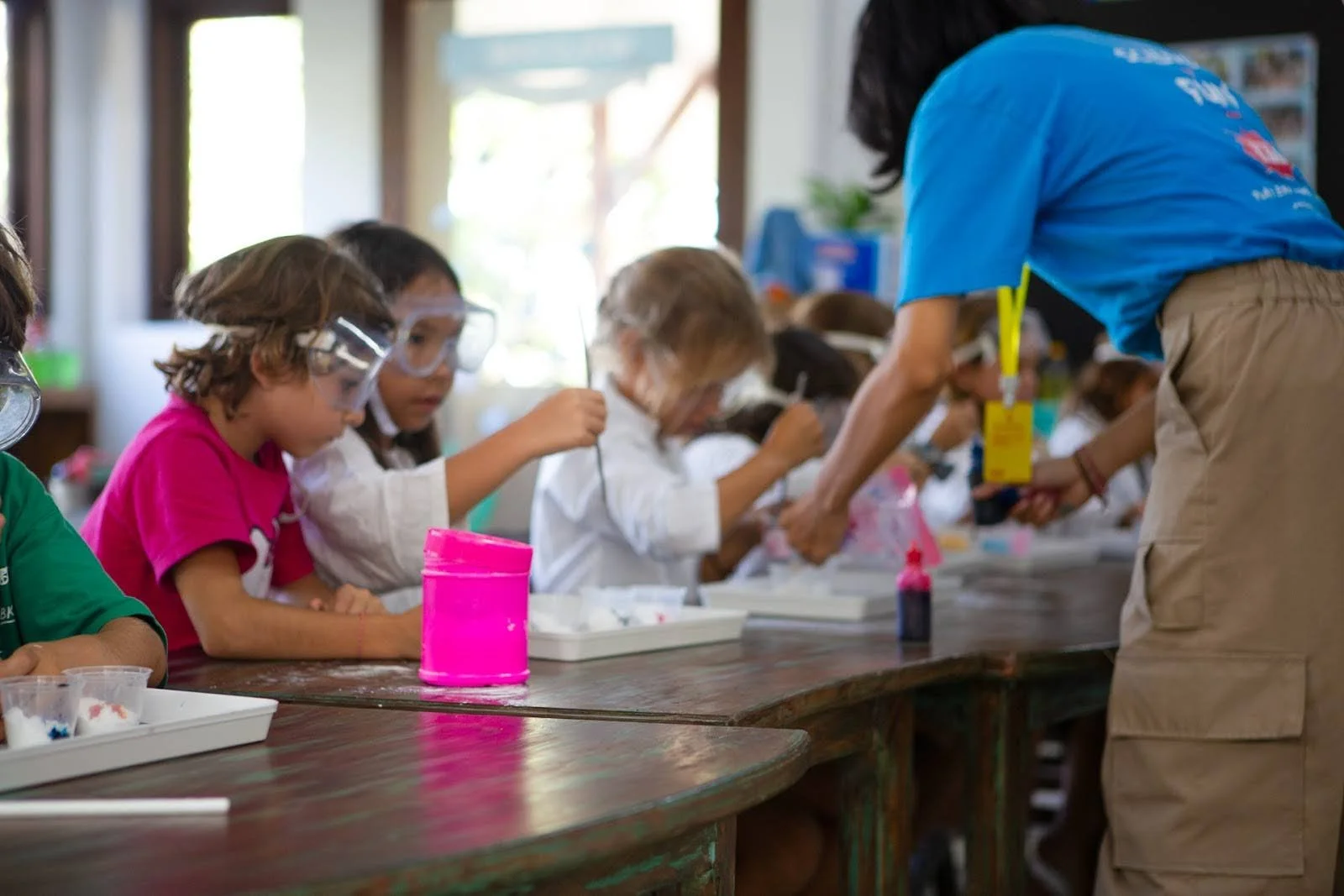
Look at how teachers communicate with students. Are children encouraged to ask questions? Are lessons interactive and collaborative?
Ask About More Than Academics
Holistic education is not just about grades. Ask schools about:
Social-emotional learning
Environmental programs
Extracurricular activities
Community partnerships
Student wellbeing support
Consider Location & Daily Logistics
Traffic in Bali can vary widely by area. Choosing a school close to your home helps reduce stress for both children and parents.
Review Long-Term Growth Pathways
Does the school offer progression to middle and upper school levels? Does it support accreditation paths for future global education?
Why Many Families Choose Progressive, Inquiry-Led Schools in Bali
A noticeable shift is underway: parents are increasingly choosing schools that offer greater freedom, creativity, and connections to real-world experiences. Progressive schools in particular are attracting families who want their children to:
Think independently
Explore ideas deeply
Learn through discovery rather than memorisation
Spend time outdoors
Understand the environment
Develop emotional intelligence
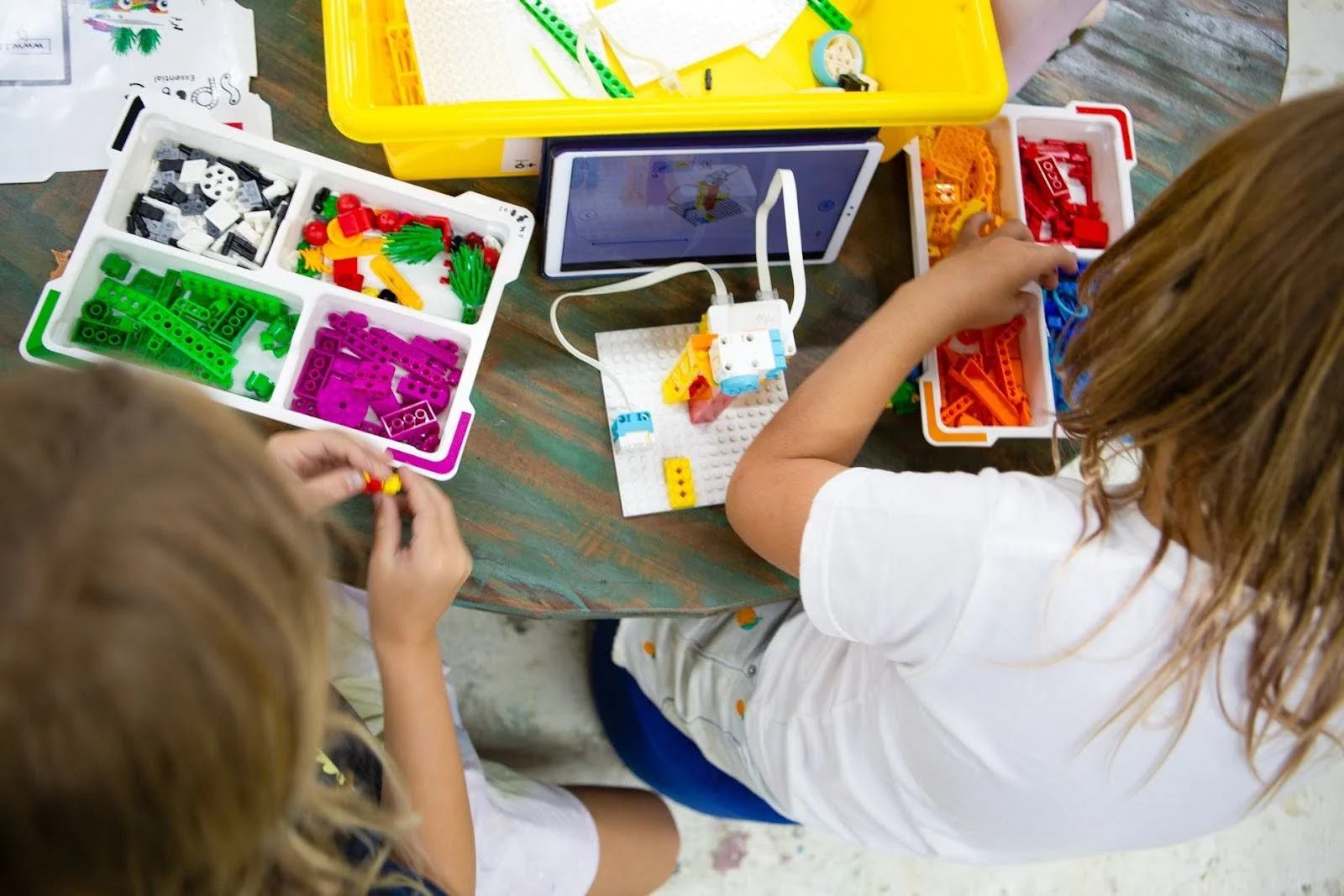
This modern approach aligns with how children learn naturally through curiosity, collaboration, and hands-on exploration.
Where Uluwatu School Fits Into Bali’s International Education Landscape
While Bali has many strong international schools, Uluwatu School stands out for families seeking a progressive, inquiry-driven environment connected to the natural world. Opened in August 2025 for students in Grades 1–7, the school will expand to Grade 8 in August 2026 and is building toward a full Upper School for Grades 9–12 in the coming years.
Uluwatu School integrates:
Inquiry-led learning
Experiential education
Place-based and ocean literacy programs
Social Emotional Ethical Learning (SEEL)
Competency-based development (Future9)
The school’s vision goes beyond academics. As its community grows, Uluwatu School actively contributes to the Bukit Peninsula area and aims to be a leader in ocean conservation and water research. This unique focus allows children to become confident thinkers, compassionate humans, and environmentally aware global citizens—learning in a safe, nature-connected, and forward-looking environment.
For families researching the best international schools in Bali, Uluwatu School offers a distinctive blend of academic strength, wellbeing, and real-world learning experiences.
Final Thoughts
Choosing the best international school in Bali is ultimately about finding an environment where your child feels safe, inspired, and understood. Whether you prioritise academic rigour, creativity, global citizenship, or nature-based exploration, Bali offers a wide spectrum of schools to suit every learning style. As more families look for meaningful, future-focused education, schools that combine global standards with progressive, inquiry-led learning, such as Uluwatu School, are becoming a preferred choice.
